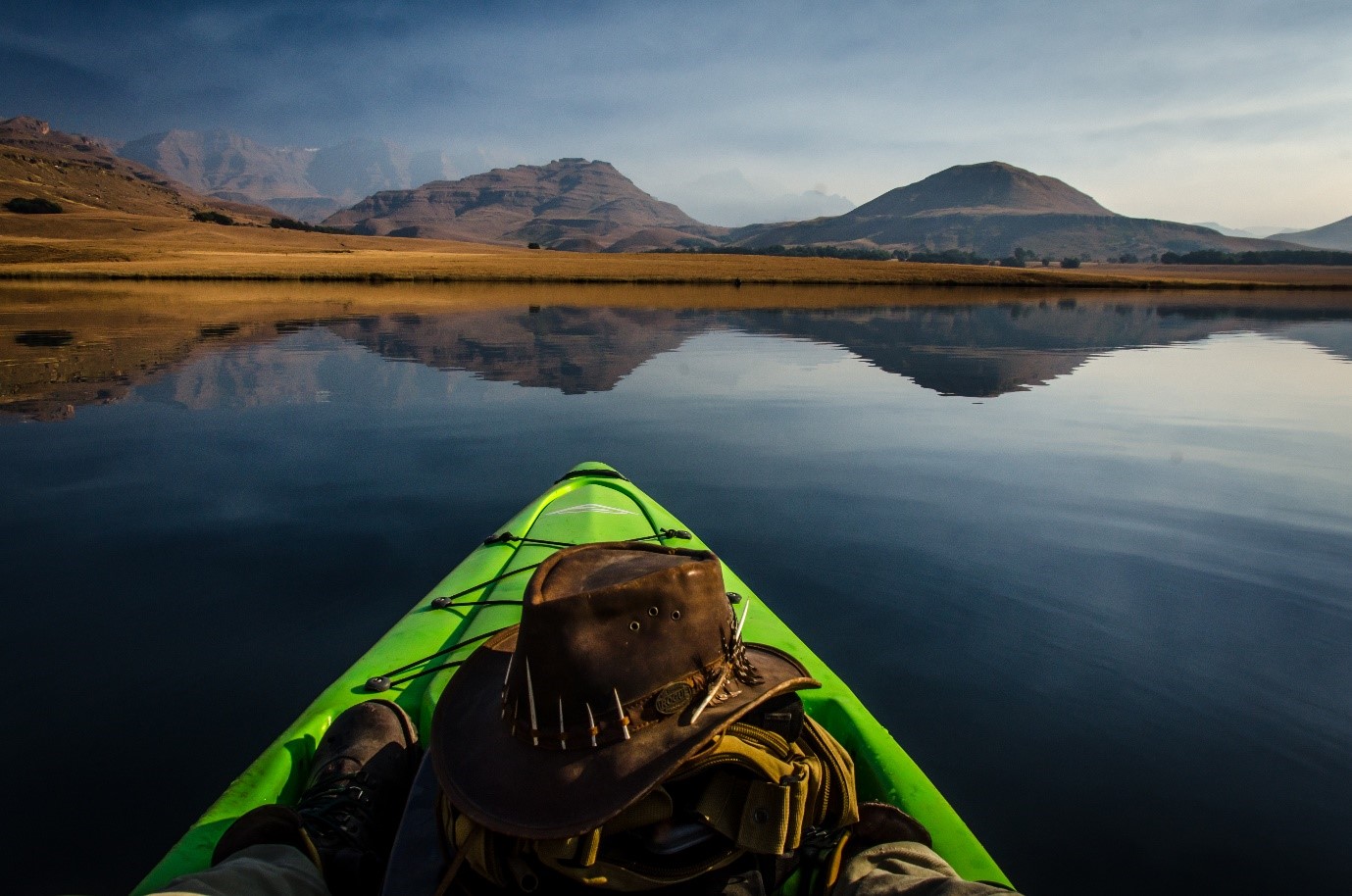
This is all about those moments when you wish you could just cast that extra 10 feet of line out or when your favourite lure gets snagged and its one of those gloomy days where you have no change of clothes or a towel at hand or even just when you wish you were able to patrol down a certain hard to reach reed line to cast in a spot where you saw a monster fish turn, but you do not want to spend a load of money on a boat. This article will enlighten you more about some kayaking technicalities as well as some tips and tricks for people that are new to the kayaking game.

What is a kayak?
Simple question you would think right? Well not actually, there are so many people often mistaking a kayak for a canoe or paddle ski and yet they are so far apart. Generally when someone thinks kayak they would think of the old red and white fibreglass boat in grandfathers garage or laying next to the dam on the farm, now to a certain extent that might work fine for your needs but on the flipside it can leave you with a bad taste for fishing from a paddle craft and you will miss out on the adventure of your life as there is in my opinion nothing quite like a monster bass giving you a good tug whilst sitting on a plastic boat as if almost one with the elements.
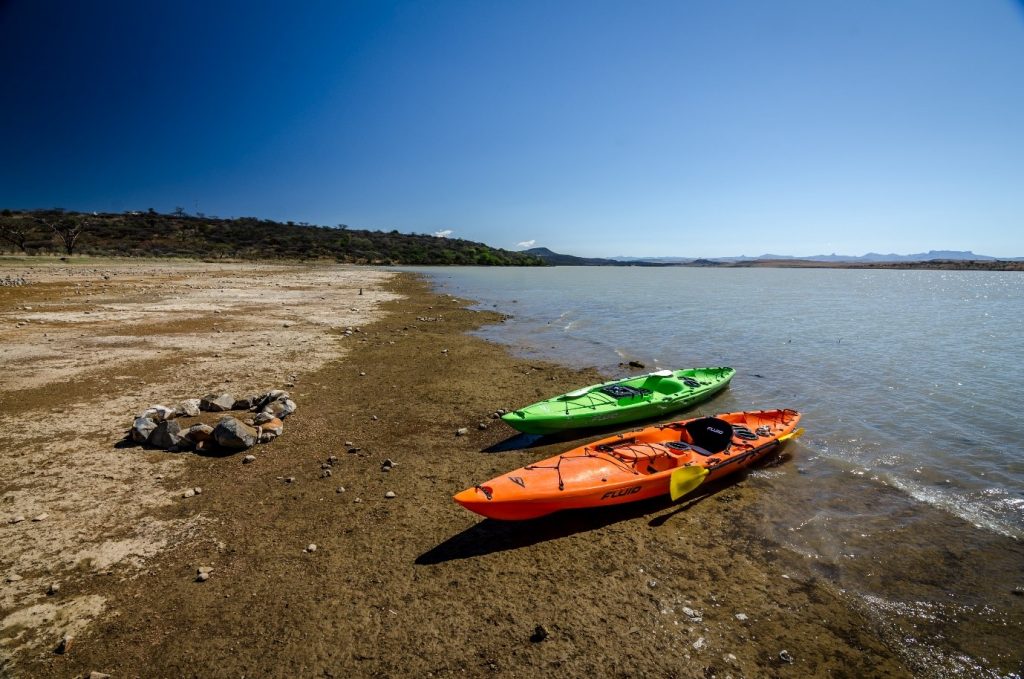
Back to defining a kayak, strictly speaking they are usually plastic or fibreglass and will contain storage space within the hull of the craft for all sorts of gear you might need, some will have live wells for bait fish or dry hatches and rod holders depending on the brand. Kayaks will also have double ended paddles as to a canoe that has a single paddle with a handle on the top and will be an open craft with one or maybe two bench seats for someone to sit on so ultimately that old school red and white fibreglass craft laying around or packed away in the garage can be more accurately defined as a fiberglass canoe. Although there are many more differences between kayaks and canoes those are some of the prominent key points.
Is a kayak for you?
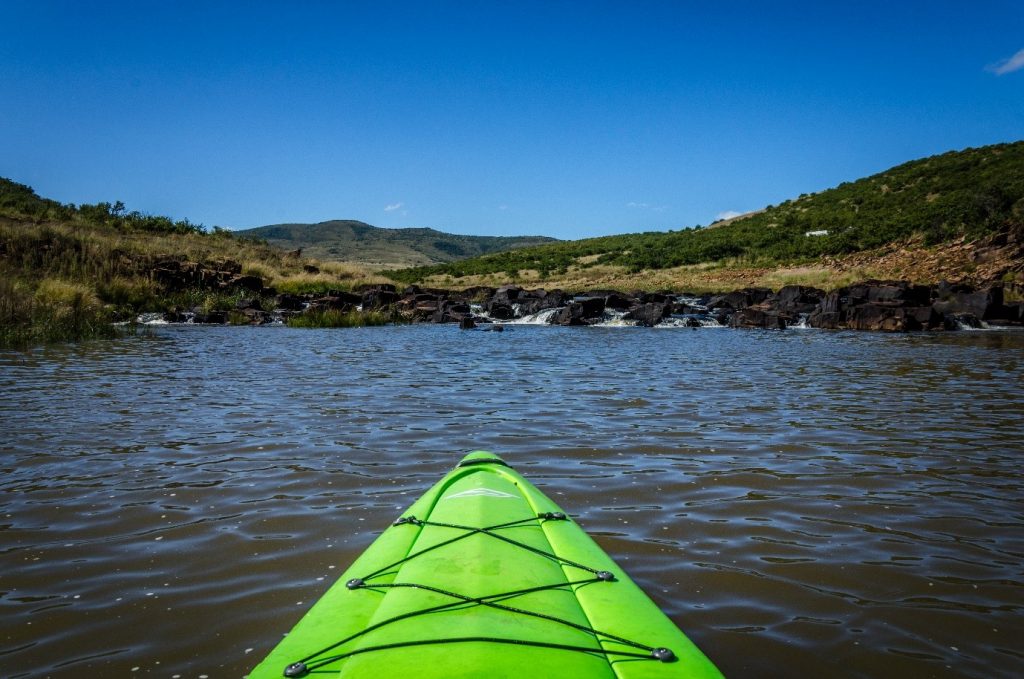
Let’s face it, not everyone is into fishing really big water on powerful boats that can almost break land speed records on the water, the majority of people probably reading this are weekend warriors that fish local farm dams and cannot always quite reach the spots that they want to in search of that ONE and in that case a kayak is the perfect addition to your kit. Fishing from a kayak will open your mind as you become one with the elements, with each stroke of the paddle the kayak will not only glide on the water but you will become one with the water, feeling and sensing things you might never have before as you silently creep up to that prime spot that you have always been eyeing from the bank and now suddenly your favourite lure can break the water surface to get the attention of that big mamma always evading your attempts as the sun starts setting beyond the shadows of acacia thorn trees across the grass horizon filling up the sky like it’s a colouring book as you feel a tug from the other side and you realize this is what it is all about.
I have had quite a number of people who told me that they are too scared of going on the water with a kayak as they are stuck in that old school canoe mindset where they believe they will fall over, but with a kayak there is really not much to fear as they are very stable on the water, I even go so far as to stand and fish on my kayaks to stretch the legs when I am pulling long hours on the water.
So, to summarise – if you feel you need that extra bit of length on your casts and if you want to explore new areas with great ease and stealth in search of that ever evading big fish a kayak will drastically better your chances in my opinion.
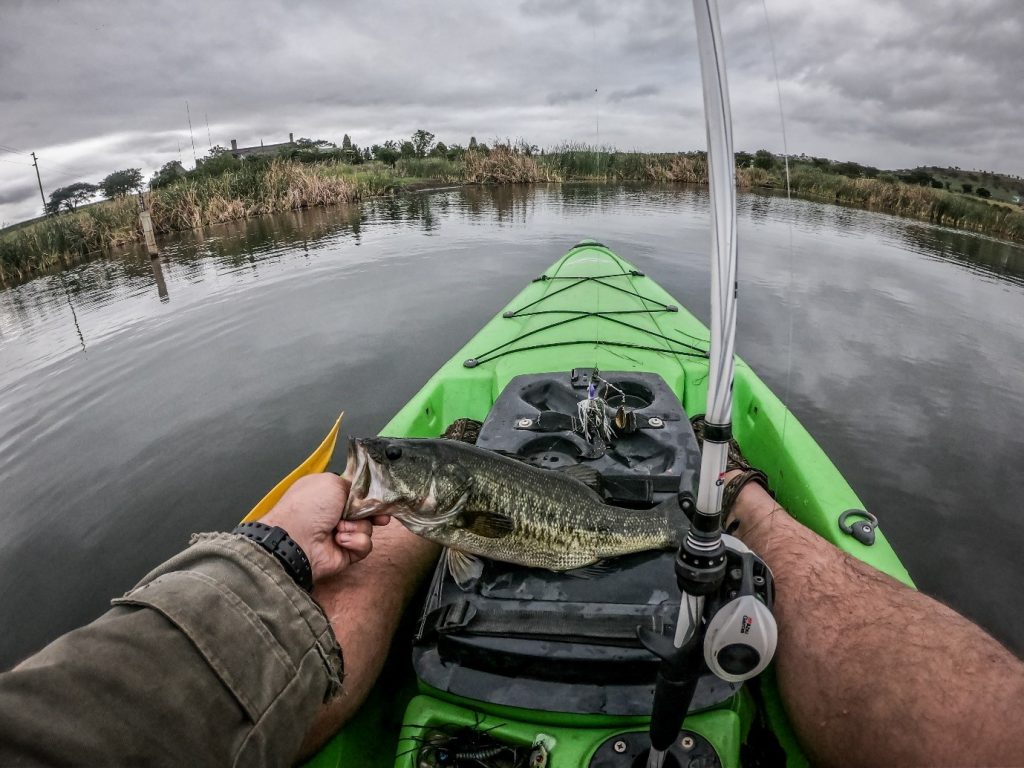
Top 10 tips and tricks
I think this is quite a debatable subject, and ultimately would come down to personal preference or experience as everyone has their own style of doing things so this can be seen as a guideline from which you can hone your own skills on the water.
Safety – always be sure that someone knows where you are and the time you will be gone (although I find it hard to attach time to a day of bass fishing), also carry a mobile phone for those just in case moments where you might need help plus you can take a photo or two as evidence for when you are having drinks with the friends a bit later on.
Gear – Do not over pack your kayak, plan your day and look as to what you will possibly need during the day and only load what you really need as any weight you add to your craft will add to the amount of energy you need to propel yourself for the day. Also arrange your gear in such a manner that everything you might need on a constant basis is close at hand and then the things you might be using less can go inside the hull or behind your back – I like to keep a small canvas military style bag on the deck in front of me that contains a couple of extra hooks and my favourite soft baits, these baits I usually pack from my big tackle bag before I set out on the water. The big tackle bag will generally go on the back along with a small cooler box. I will keep my Leatherman in the dry hatch in front of me along with my GoPro camera where they are very easy to reach with one hand if I need them in a hurry.
Rods – Do not load your whole arsenal of rods as you will find yourself struggling to cast in between it all, I tend to have 2 to maximum 3 rods with me on my kayak, a 2 piece spinning rod that is neatly tucked away in the hull for when I want to finesse a very light weight soft bait and then I have two casting setups ; one rigged with a weight and soft bait and the other usually a spinner or football-head jig. By doing that I can maximise the probability of hitting the sweet spot in majority of conditions or structures. My kayak has two rod holders at the back and one upright in front between the footwells so the rod I am not using would be at the back left as I am casting with my right hand in order not to hook onto another rod whilst trying to cast.
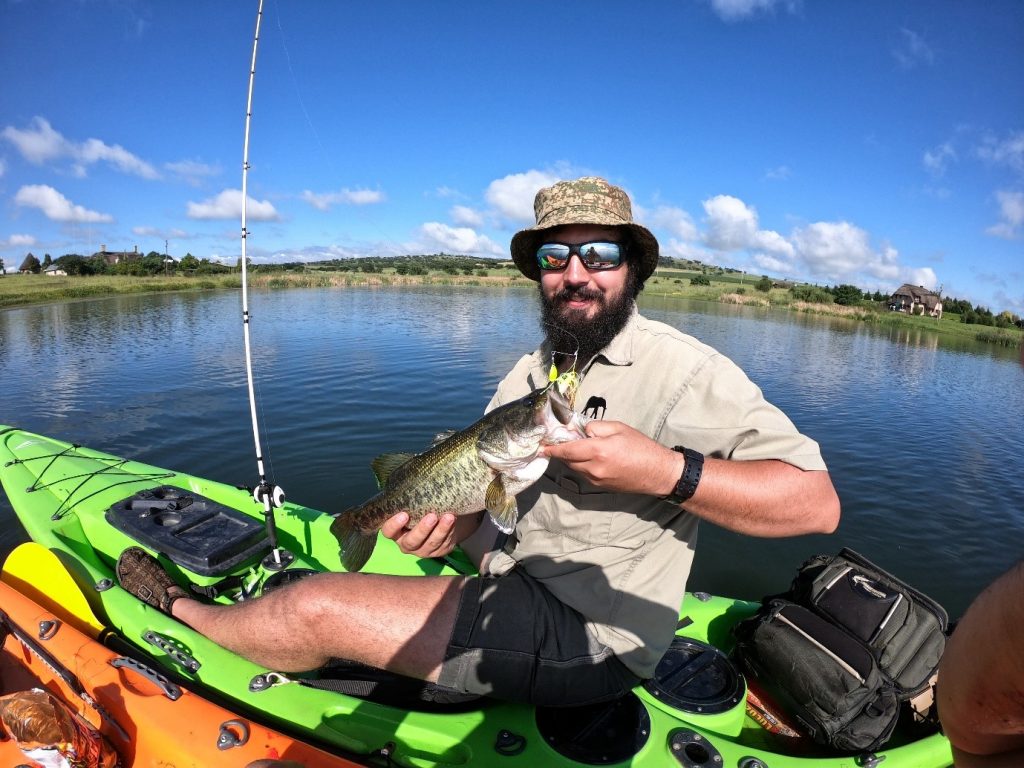
Essentials – Sunblock, hat, towel, sunglasses (preferably polarized) and something to drink during the day to stay hydrated.
Casting – Learn yourself to be able to cast with one hand by flipping your bait out or side casting for more distance as you generally would not have a whole lot of space between yourself and the water, you will find yourself fishing more lightweight almost finesse rigs most of the time as you can now stealthily drift into position or drag a bait on the ground.
Movement – You will find yourself turning in all sorts of directions be it with wind pushing you or a fish dragging you around and thus I like to keep the paddle laying on my lap for those one-handed paddle times of trying to rotate the craft whilst still holding on to your rod. Also do not hesitate to drop the anchor as there will be countless times where you would want to sit still and just work a certain patch of grass or structure really hard in order to get that big fish.
Tactics – I have found especially in farm dams that patrolling parallel to the bank about 15-20 meters out and then casting towards the bank and retrieving works especially well as opposed to standing on the bank casting in towards middle of the dam and retrieving towards the side again, so even though you are on a kayak don’t worry to be close to the edge of the water.
Paddling – if you see a sweet spot that you would like to cast to, do not paddle straight into it like the world is about to end, rather slow down and glide into position with the paddle stacked away and your rod is in hand ready to make that 1st cast into the zone, by doing this you won’t likely spook any fish in the area and thus maximize your chances of landing a decent fish.
Baits – Personally I am a big fan of fishing soft baits and would 80% of the time recommend using soft baits on a kayak rather than using cranks or any multi hooked baits purely for safety reasons – nothing worse than cutting a day short with a rush to an ER to remove 3 prong hooks from body parts as a crank maybe got stuck in grass and then suddenly released coming out flying at you or when attempting to unhook a fish and he suddenly spars and you get lucky with a hook through the finger.
Kayak Deck – Ensure that everything on your kayak deck is either of floating nature or tied down for that unlikely but possible event of a tip over, it will give you piece of mind as well as save a lot of headache in the unfortunate event of a kayak toppling over. I keep my car keys, wallet and phone all in one dry hatch, then as far as possible try not to have loose laying items on top of the kayak as I like to stand up and manoeuvre myself around on the deck of the kayak and on those hot days I drop the anchor in the middle of a dam and take a plunge from the kayak to cool down.
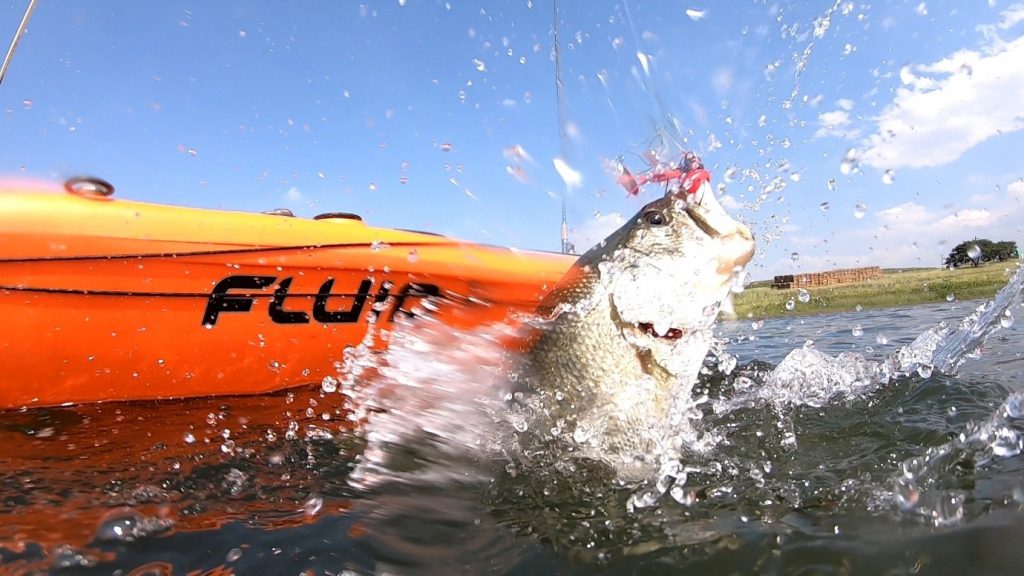
From paddles to plastics
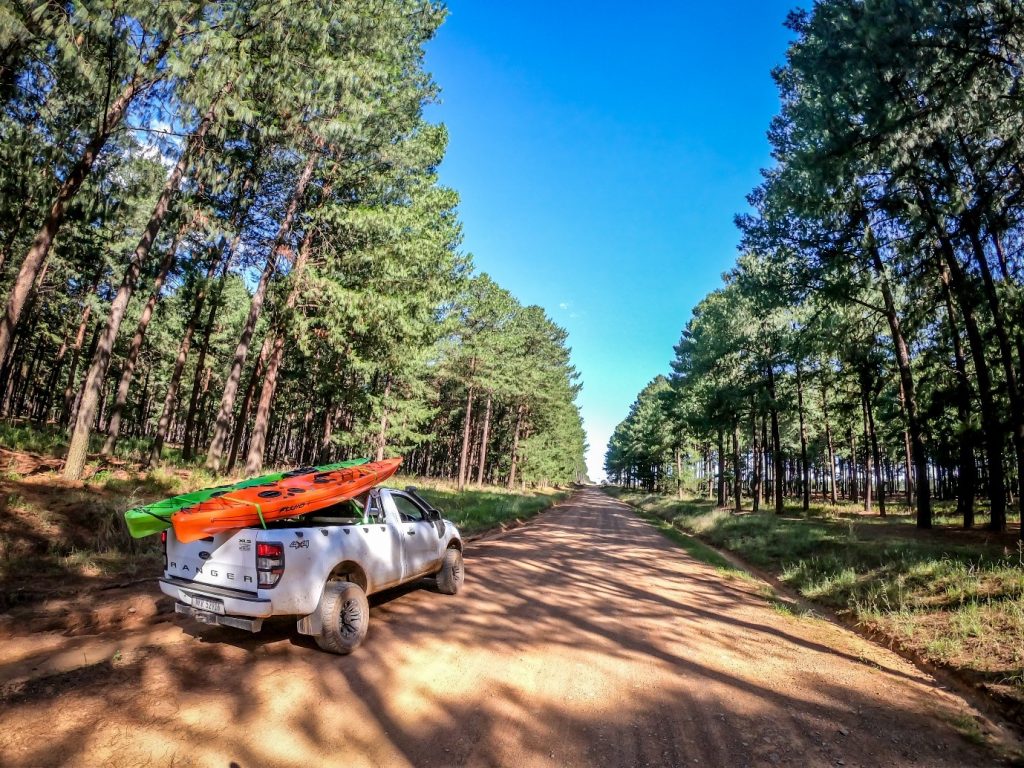
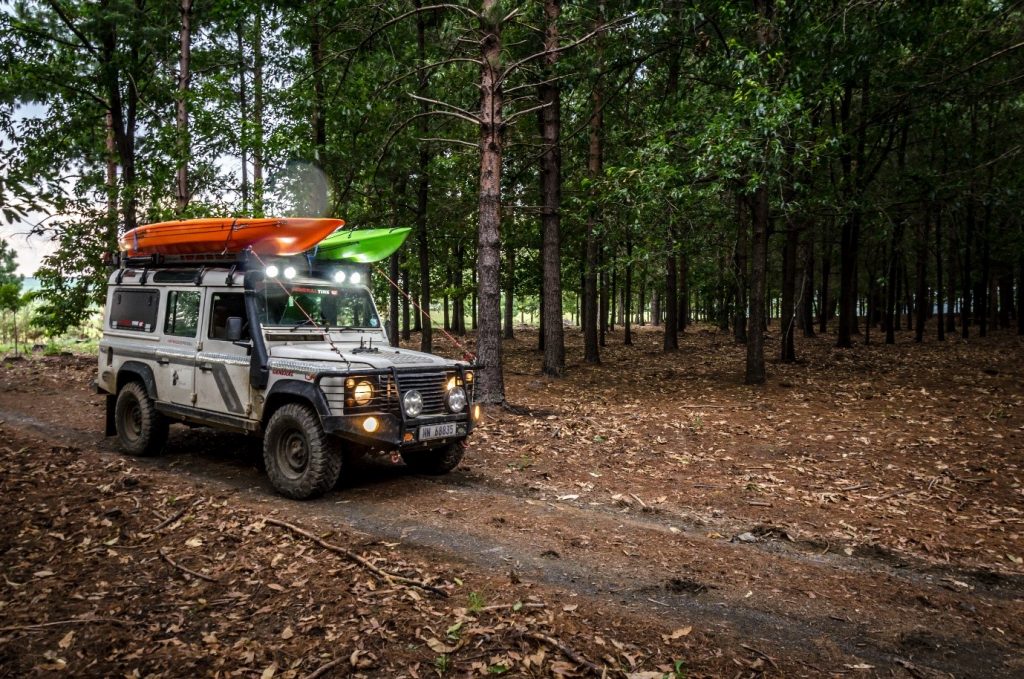
Ultimately owning a kayak is a load of fun and there is always an adventure to be had with a kayak, from going to explore new dams or finding remote spots on previously fished dams its all in a days work by every stroke of the paddle. Kayaks are lightweight and easy to load and offload from your vehicle even by yourself, the plastic versions are robust enough to survive our farm dams with rocky bottoms and endless structures yet comfortable enough to spend the whole day out on the water or paddling long distances to those sweet spots and a kayak is a very versatile tool that will open up your mind and allow you to hunt for those big fish in a lot more possible places with a high strike/success rate. These tips and tricks should allow you to enjoy every moment out on the water and help you to catch that ‘big one’ between the paddles and plastics.