In the previous issue we started off discussing the stability of kayaks and gear setup. In this issue we look at scupper holes and transporting your kayak
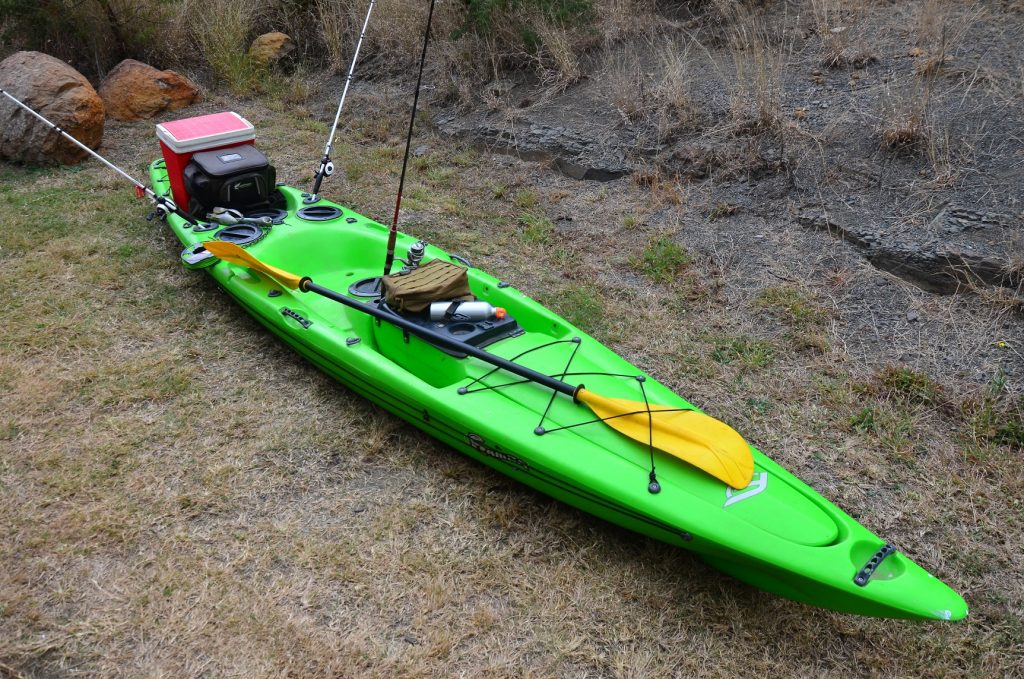
Everyone that wants to get onto a kayak for the first time has the fear of getting wet and the reality of the matter is that they have the right to think that way. Most kayaks on the market, be it a fishing kayak or recreational kayak, will have holes through the boat. These are called “scupper holes”. They are there to let any water that splashes onto the kayak run freely back into the dam without forming colligations of water on or in your kayak. But… scupper holes pose a different threat to the kayaker as if you drop something, like let’s say a hook, on your kayak and it slips down one of these holes it’s going to be lost to the dam forever. Also, it means that there are not really kayaks on the market that has a full dry deck if I can put it like that. Majority of them will be wet deck systems. My advice to work around this is to embrace it. Let’s face it, if you are sitting on a kayak you have a sense of adventure and thus would not mind or care to have a bit of a wet bum once you are done for the day. But… if your missus won’t be very happy with you sitting in your luxury vehicle with wet clothes, you can alternatively make use of any high density foam. I like to use pool noodles as they are cheap and easy to come by. Cut the foam or noodle to a size slightly bigger than the scupper hole and then stuff it into the hole, it would create a seal and you can sit dry for your whole trip out on the water. I would however recommend that you leave the scupper holes at the back of the kayak as well as at your feet open for any splashed water to freely run out of your kayak deck cavities.
Generally, your fishing bag and cooler box on the back of the kayak will tend to get wet so make sure if you do not want them to be wet – especially the fishing bag. Make use of a dry bag or get a waterproof kit bag. My bag is made from a rip stop canvas that has a type of latex coating and rappels water to a big extent, but water still seeps through the seams when spending long hours on the water in search of that ever illusive big bass.
Loading and going
If you do not find a kayak at one of the
dams you are fishing at, you will most likely end up having to transport the
kayak to the dam you would like to fish. To many this can be quite a daunting
task depending on the kayak. Many recreational and smaller fishing kayaks are mid-size
plastic kayaks and usually weighs around 20 to 26kg and would be less than three
metres in length.
The larger kayaks would weigh in at around 32 to 38kg empty, and can measure
lengths in excess of 4.2 metres. These will usually be double seat recreational
or the solo fishing/adventure kayaks. They can prove quite a challenge to load
and unload, especially by yourself no matter how big or small you are built. My
advice in this category would be to figure out a system that works well with
your vehicle and surroundings. I know people that make use of a pulley system
that suspends their kayaks from garage or carport roof and thus they can lower
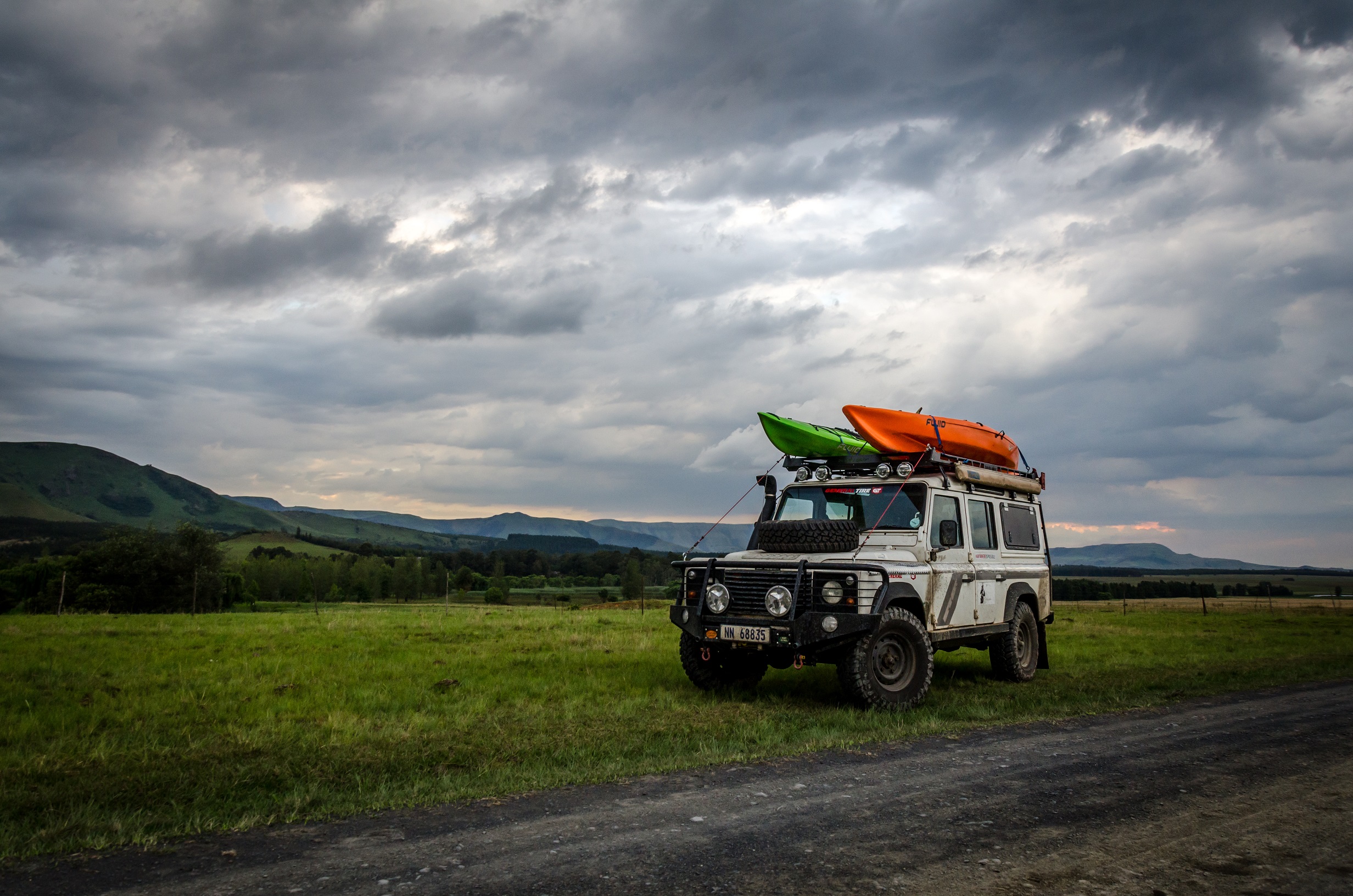
it with ease onto their vehicle and then just strap it down. Other good ways of
doing it is to make use of pool noodles on your roof rack and or vehicle edges.
Old towels also help where you can load the nose of your kayak, letting it rest
on the roof rack or vehicle then grabbing the back part of the kayak, push it
so that it slides up and onto the roof rack to then tie down. When strapping
kayaks to cross bars on a roof, you do not want to over tighten the straps. It
would fold your kayak around the bar and may leave a dent if its transported on
a very hot day for long amounts of time. As soon as the kayak does no longer
move when strapping it you are good to go. When offloading, one can make use of
the sliding technique again until one end is on the ground. The kayak can then
be gently dropped to the ground.
Take the leap
Being able to make use of a kayak, be it for fishing purposes or recreational, is a true adventure every time. Once the bug bites, you will be contaminated with a special kind of sickness that leaves you with the lust to be out there on the water, paddling new places and experiencing new things. It will enable you to reach so much more within your local dams, that you will find yourself out there more often than you think for as soon as you hook onto that first fish you would not want to stop. I leave you with these words… if you come across the opportunity to use a kayak, take the leap and don’t be afraid. Go find those hidden places and land the monster fish for at the end of the day, your feet should be dirty, your hair should be messy and your eyes should be sparkling! Have fun out there!